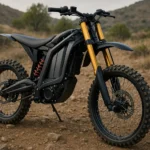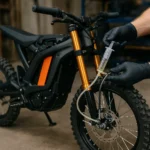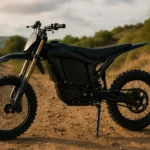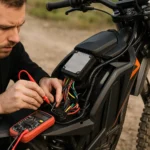
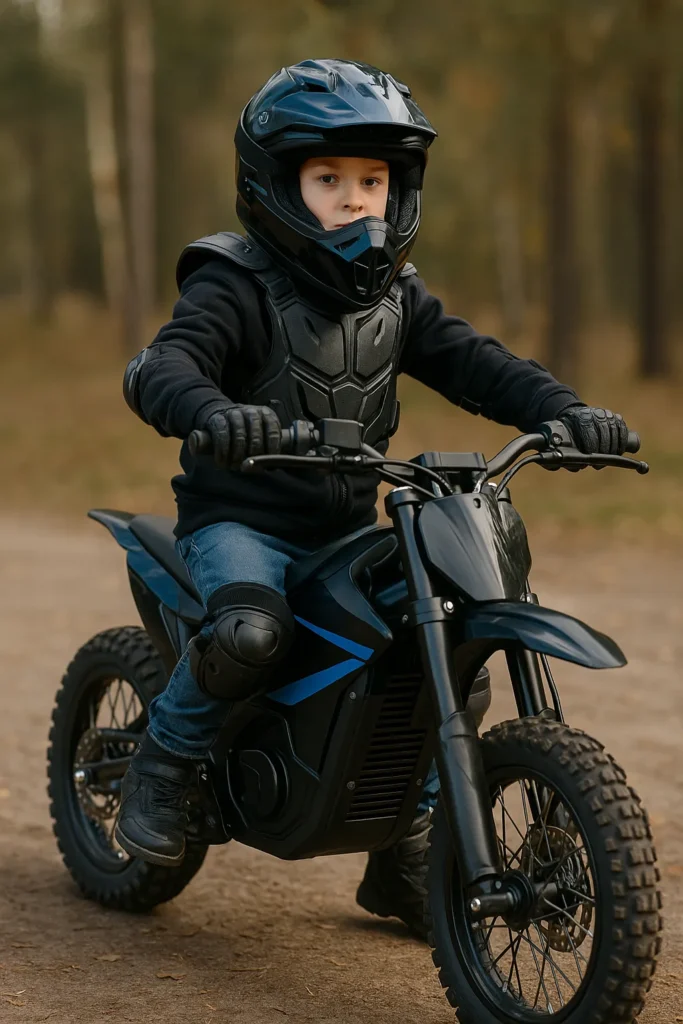
Riding off-road is pure freedom, but parents often ask one big question: what are the electric dirt bike age restrictions and how do they impact my kid? These rules cover minimum ages, safety guidelines, and parental responsibilities. By understanding them, you can make sure your young rider enjoys the thrill while staying within the law and riding responsibly. 💡
This guide breaks down electric dirt bike age restrictions in simple terms, covering laws, manufacturer recommendations, and real-world parenting advice. Whether you’re buying your child’s first mini dirt bike or helping a teenager upgrade to a more powerful model, knowing the rules keeps your family confident and safe.
Keep in mind that electric dirt bike age restrictions are not universal—different states, local OHV (off-highway vehicle) parks, and even private tracks have their own regulations. What’s legal in California may not match the rules in New York or Texas. That’s why parents need to go beyond just the label on the box.
💪 Manufacturers provide age labels, but those are just minimums, not guarantees that your child is ready. A bike might say “ages 10+,” but if the seat height, motor power, or limiter settings don’t fit your child’s size and skills, it could be unsafe. In fact, fit and control often matter more than age alone.
To fully understand where your rider can and can’t use these bikes, don’t miss our in-depth guide on are electric dirt bikes street-legal? —it’s a perfect complement to this article.
Key Takeaways
- There’s no single nationwide rule; state and local OHV laws plus venue policies decide most age restrictions.
- Manufacturer labels are only minimum guidelines, not a perfect readiness test.
- Fit, seat height, motor watts, and limiter settings carry more weight than age alone.
- Training, supervision, and protective gear are what actually keep kids safe.
- Private property isn’t a free-for-all; insurance, HOA, and track rules still matter. 👍
⚡ Shortcut for busy parents: Use the quick links below to jump straight to the section you need most 👇
Definitions that actually matter
Before diving into the rules, let’s clear up what we mean by different bike types. Riders, parents, and even officials sometimes confuse categories, which makes understanding electric dirt bike age restrictions harder than it should be.
Electric dirt bike
These are true off-road motorcycles powered by electric motors. They are designed for trails, tracks, and OHV parks. Unlike e-bikes, they usually require specific safety gear and fall under off-road vehicle laws. ⚡
E-bike classes
Class 1, 2, and 3 e-bikes are different. They look like bicycles, have pedals, and follow bicycle-specific regulations. They often have lower speeds and looser safety rules, which can confuse new riders.
Mini-moto or youth dirt bike
These are smaller models meant for kids, often with limited speed and adjustable throttle. While they appear more approachable, they are still considered motorized vehicles and need proper supervision.
By knowing the difference, parents can avoid common mistakes when choosing the right machine. This step makes it easier to focus on training, protective equipment, and realistic expectations for young riders. 😊
The law vs. the label: how rules really work
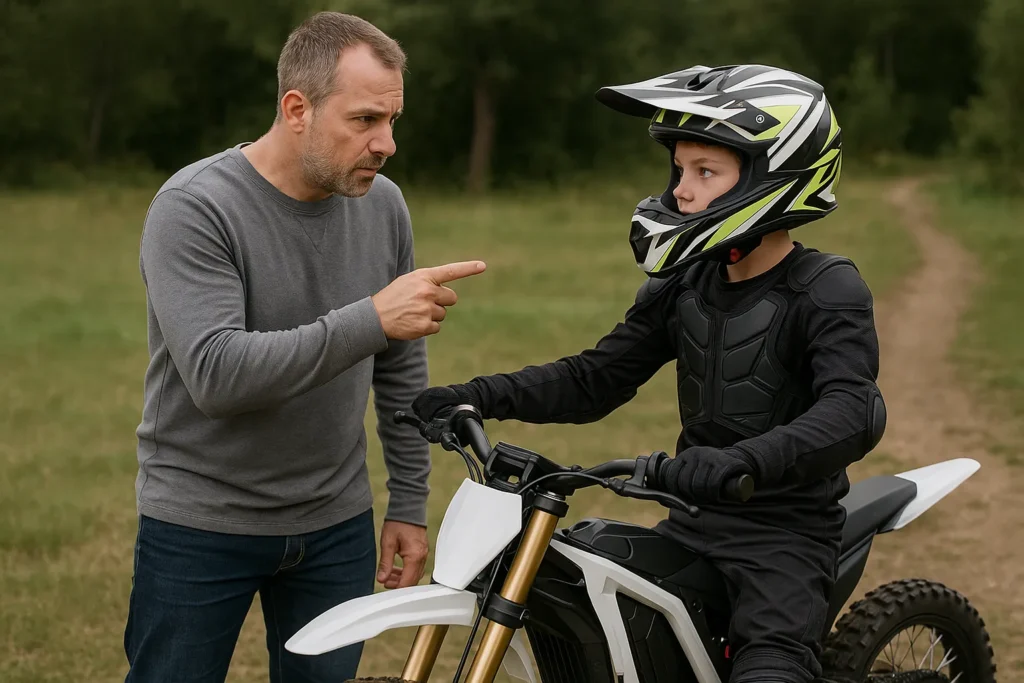
Parents often get stuck between what the law says and what manufacturers print on the box. Navigating electric dirt bike age restrictions means balancing legal obligations, recommended safety guidelines, and your child’s actual readiness to ride.
Most states don’t enforce a single nationwide age limit. Instead, local OHV (off-highway vehicle) laws and track operators decide how young riders are managed. These rules can include mandatory supervision, certified helmets, or youth safety certificates. On public trails, managers might also restrict motor wattage or require sound-compliant systems.
Manufacturers add another layer with “minimum age” labels, but these are not guarantees of readiness. A bike labeled “ages 10+” might still be too tall, too heavy, or too powerful for a smaller rider. Fit, seat height, throttle limiters, and braking ability matter far more than what’s written on the packaging.
Private property gives parents more freedom, but it’s not a free pass. Insurance liability, HOA rules, and local ordinances can still affect where and how kids ride. Responsible supervision and structured training remain essential, regardless of the setting.
For a deeper dive into safe riding practices that complement these laws and labels, check out this guide on top safety tips for riding an electric dirt bike for kids. It highlights how preparation, protective gear, and gradual skill building can make all the difference for young riders.
By understanding how rules and recommendations overlap, families can respect legal requirements, follow safety advice, and choose the right path for their child’s growth as a rider. 🚀
5 age brackets explained
When it comes to choosing the right ride, families quickly discover that electric dirt bike age restrictions don’t follow a simple one-size-fits-all rule. Instead, the best approach is to look at development stages and match them with the bike’s seat height, motor power, and safety features.
Ages 4–6: first throttle time
At this stage, the focus is on balance, coordination, and very low speeds. Bikes with throttle limiters, tether switches, and maximum supervision are essential. Parents should keep sessions short and fun to build confidence.
Ages 7–9: skills & balance phase
Children begin to understand braking, steering, and body positioning. Youth models with 250–500W motors, lower seat heights, and reliable brakes are most suitable. Practice should include slow turns and basic trail etiquette.
Ages 10–12: trail basics
Riders can start exploring green trails with bikes around 500–1000W, but power should still be limited. Helmets, gloves, and boots are non-negotiable. Introduce structured drills like standing posture and controlled stops.
Ages 13–15: confidence with limits
Teens in this bracket are capable of handling more powerful machines up to 3000W, but only with gradual speed unlocks and continuous supervision. Focus shifts toward decision-making, throttle control, and responsible riding in group settings.
Ages 16+: teen responsibilities
Older teens can ride high-torque models, provided they respect OHV park regulations and local laws. Parents should emphasize responsibility, trail courtesy, and personal accountability before giving more independence.
Matching a rider’s age with their size, skills, and mindset keeps progression safe and enjoyable. The goal is not just speed, but building long-term riding habits that stick. 💡
Manufacturer & model guidance
Parents often rely on age labels printed by manufacturers, but those numbers can be misleading. A sticker that says “ages 12+” doesn’t mean every 12-year-old is ready to handle the bike’s seat height, torque, or braking system. The smart move is to read the owner’s manual carefully and consider weight, inseam, and throttle settings before making a decision.
Some brands include adjustable limiters or remote shut-offs, which give parents greater control as kids progress. Others emphasize frame size and ergonomics so younger riders can stay stable without struggling to reach the ground. These details matter more than the marketing number.
It’s also worth remembering that electric dirt bike age restrictions overlap with where you intend to ride. OHV parks, private tracks, and even neighborhood HOA zones can enforce stricter limits than what’s printed in a manual. For broader context on where youth riders can and cannot legally ride, see our guide on are electric dirt bikes street-legal?.
By combining manufacturer guidelines with real-world readiness, families can choose a machine that balances safety, fun, and long-term skill development. ⚡
Sizing & power: the metrics that matter
Choosing the right ride isn’t just about age—it’s about fit and control. Seat height, motor output, and limiter settings all play a bigger role than a simple number on a box. Parents who pay attention to these details avoid mismatches that can make riding uncomfortable or unsafe.
When looking at seat height, check if your child can place both forefeet firmly on the ground. This ensures balance during stops and prevents tip-overs. Motor watts are another key factor: smaller kids do better with 200–500W, while older teens can manage bikes in the 2000W+ range, depending on skill.
Throttle limiters and remote shut-offs are also important. These safety tools let parents adjust speed gradually as riders improve, instead of overwhelming them with too much torque too soon.
Understanding these basics makes it easier to apply electric dirt bike age restrictions in a practical way. The real goal is building confidence, not just hitting top speed. Matching bike size, power, and safety features to the rider’s stage keeps every ride fun and controlled. 🚀
Venue rules by example
Rules change depending on where you ride, and parents often get surprised by the variety. Public trails, OHV parks, and private tracks each have their own expectations, and these can be stricter than manufacturer labels. Understanding these differences helps families stay compliant while keeping riding fun.
In states like California, youth riders may need safety certificates and their bikes must meet sound and spark arrestor standards. Texas puts less emphasis on statewide age minimums but private venues often set their own limits. Florida frequently enforces helmet rules for minors, and county parks may apply extra restrictions. New York is known for being strict, with many public lands closed to motorized use, pushing families toward private facilities.
Private property allows more freedom, but it doesn’t remove responsibility. Insurance coverage, liability risks, and homeowner agreements can still apply. Parents should always double-check posted signs and venue policies before loading up the trailer.
By paying attention to these differences, families can better apply electric dirt bike age restrictions in real life. A clear plan avoids confusion at the gate and ensures kids ride safely while respecting the rules of the trail. 🏞️
7 proven rules for parents
Helping kids ride safely isn’t just about buying the right bike—it’s about creating habits that last. Parents play the biggest role in shaping how young riders approach off-road adventures, and consistency is key.
- Gear up every ride: helmet, boots, gloves, and goggles are non-negotiable.
- Teach one new skill per session, whether it’s smooth braking or corner balance.
- Keep throttle limiters on and unlock speed gradually as control improves.
- Perform a quick pre-ride inspection: tires, brakes, throttle return, and chain tension.
- Establish clear signals for starting, stopping, and emergencies.
- Build in breaks for hydration and to prevent fatigue from leading to mistakes.
- End rides on a positive note so kids associate riding with confidence and fun.
Following these steps makes electric dirt bike age restrictions easier to apply in the real world. They shift the focus away from numbers on a rulebook and toward practical safety, skill-building, and responsibility. With patience and structure, young riders learn faster and stay safer while still enjoying every twist of the throttle. ⚡
Insurance, permits, and track paperwork
One part of off-road riding that often catches families off guard is the paperwork. Even when kids have the right bike and protective gear, many tracks and OHV parks require liability waivers, minor release forms, and sometimes proof of insurance. These documents protect both the venue and the rider, making them just as important as helmets and boots.
Some states issue OHV permits or stickers that must be displayed on the bike, and failing to have them can result in fines or denied entry. For families who split time between private property and public trails, keeping everything organized helps avoid last-minute stress.
Insurance coverage is another area parents should not overlook. While standard homeowner’s policies may cover some incidents, many exclude motorized vehicles. Specialty OHV insurance can give peace of mind, especially when riding at busy parks or events.
For riders who also want to understand the rules on neighborhood or public road use, our detailed guide on are electric dirt bikes street-legal? explains how permits, insurance, and legality overlap.
By preparing documents in advance, families can focus on the fun part—riding—while knowing they’ve met all the requirements tied to electric dirt bike age restrictions. 📑
Mistakes that get families into trouble
Many accidents and conflicts on the trail come from simple errors that parents and young riders could avoid. The most common issue is relying too heavily on manufacturer labels without considering the rider’s true abilities. Just because a bike says “ages 12+” doesn’t mean every 12-year-old can handle its height, torque, or braking power.
Another mistake is unlocking higher speeds too quickly. Parents eager to see progress sometimes remove limiters before their child has mastered basic control. This rush often leads to crashes, loss of confidence, and unnecessary injuries.
Skipping regular training is another trap. Kids learn fastest with consistency, and missing practice rides makes them rusty, increasing the chance of accidents when they finally get back on the bike.
Some families also assume private property removes all responsibility. In reality, liability, insurance coverage, and community rules still apply, even when riding in the backyard or on a private lot.
By recognizing these pitfalls, parents can make electric dirt bike age restrictions work as intended: to protect kids, guide safe progression, and build lasting skills. Mistakes will happen, but preparation and patience keep them from becoming serious setbacks. ⚠️
When to move up in power
One of the biggest questions parents face is knowing the right moment to upgrade their child to a stronger bike. Moving up too soon can overwhelm a young rider, while waiting too long can limit skill growth and confidence. The key is to look at ability, not just age.
If the current machine feels slow and the rider consistently controls braking, throttle, and balance without reminders, it may be time to unlock more speed or switch to a higher watt model. Progress should always be gradual, giving the rider space to adapt to each new level of torque.
On the other hand, if a child struggles with posture, panics in corners, or slams the brakes too hard, it’s a sign that they’re not ready yet. Adding more power in this situation only increases risk.
By applying electric dirt bike age restrictions alongside skill-based milestones, parents can ensure upgrades happen at the right pace. This method makes growth steady, keeps confidence high, and reduces the chance of avoidable accidents. 🚀
Safety gear that actually changes outcomes
No matter how skilled a young rider becomes, accidents can still happen. What makes the difference is wearing the right protective gear every single ride. A well-fitted helmet is the top priority—it reduces the risk of serious head injuries and gives kids the confidence to push their limits safely.
Boots that protect the ankles and shins are another essential piece, helping prevent sprains and cuts when bikes tip over. Gloves keep hands steady on the grips and shield them during falls. Adding chest protectors, knee pads, and elbow guards offers even more protection, especially as speeds increase.
Parents should also remember that lighter gear can make riding easier for smaller kids. Heavy or oversized equipment may cause fatigue and limit control, which works against safety. Comfort, fit, and certification are the benchmarks to follow.
By combining the right gear with electric dirt bike age restrictions, families create a balanced safety net. Riders learn that proper equipment isn’t optional—it’s what keeps the adventure going without unnecessary injuries. 🛡️
Real-world scenarios parents can use
Sometimes the best way to teach kids is through short, clear coaching scripts that target specific problems. Many new riders struggle with predictable habits, and having a quick fix ready helps them progress faster.
For example, if a child goes into corners too fast, remind them to brake before the turn, not during it. When they look down at the front fender instead of scanning ahead, encourage them to “eyes up, look where you want to go.” Riders who slam on the brakes can practice smooth pressure drills in a straight line until it feels natural.
Tension is another common issue. Kids often grip the bars too tightly and ride stiff, which makes handling bumps harder. Teaching them to relax their elbows and keep knees slightly bent improves balance instantly.
By combining these small corrections with electric dirt bike age restrictions, families create a structure that blends safety and skill-building. Instead of long lectures, short reminders and simple drills keep kids engaged and motivated while reducing risks. 🌟
FAQs parents always ask
What age can a child legally ride an electric dirt bike?
There isn’t a single nationwide rule. Most states and OHV parks set their own requirements, usually based on supervision and permits. Always check local regulations before heading out.
Do kids need a license to ride an electric dirt bike off-road?
No driver’s license is required for off-road riding, but many areas demand OHV permits, safety certificates, or proof of supervision for minors.
Are electric dirt bikes safer than gas-powered ones for kids?
They can be quieter and easier to maintain, but both carry risks. Safety depends more on protective gear, rider training, and parental supervision than the motor type.
What size electric dirt bike is best for an 8-year-old?
Instead of focusing only on age, check seat height and control. The rider should be able to place both feet on the ground and reach all controls comfortably.
Can children ride electric dirt bikes on the street near home?
Generally, no. Most neighborhoods and cities restrict motorized off-road bikes from public streets. Riding is usually limited to private property or designated OHV areas.
Do helmets and boots have age-specific requirements?
Yes. Youth-specific helmets and boots are available and designed to fit smaller heads and growing feet while still meeting safety certifications.
Are there training programs for young riders?
Absolutely. Many OHV parks and safety organizations offer youth riding schools, which help kids build confidence while respecting electric dirt bike age restrictions.
Quick readiness checklist
Before any ride, parents should confirm that their child is truly prepared, not just excited. A simple checklist helps ensure safety while building consistent habits.
- Fit: the rider should reach the ground with both feet and easily access the controls.
- Posture: elbows up, eyes forward, and knees slightly bent for balance.
- Skills: smooth throttle control, reliable braking, and the ability to stop without panic.
- Gear: helmet, boots, gloves, and protective pads worn correctly every time.
- Mindset: the rider listens to cues, stays calm, and ends the ride before fatigue sets in.
By reviewing these points, families can align with electric dirt bike age restrictions while tailoring expectations to their child’s ability. The goal isn’t just to ride but to ride with confidence, control, and safety in mind. ✅
Still wondering about roads and neighborhoods?
Many parents assume that if a child can handle the bike safely, they can also ride it around the block. Unfortunately, public streets are rarely open to off-road machines. Local traffic laws almost always prohibit unregistered motorized bikes on roads, sidewalks, and neighborhoods.
This is where confusion often sets in. A dirt bike with pedals may look like an e-bike, but the law sees them differently. Electric bicycles are given more freedom on roads and bike lanes, while off-road motorcycles fall under stricter motor vehicle rules.
The safest option is to stick with private property, OHV parks, or riding facilities specifically designed for youth. Not only does this respect community rules, but it also ensures kids are riding in a controlled environment with fewer hazards.
By following these boundaries, families can honor electric dirt bike age restrictions while still giving children plenty of opportunities to ride, practice, and improve their skills without legal complications. 🚦
Join the crew: share your setup & drop a question
The riding community grows stronger when parents and young riders trade experiences. Every family has its own story—whether it’s a first ride on a small 250W beginner bike or a teen mastering throttle control on a higher torque model. Sharing these milestones helps others learn what works and what to avoid.
We’d love to hear about your setup. What gear does your child use? How do you manage limiter settings? What’s the biggest lesson you’ve picked up on the trail so far? Your insight could guide another parent just starting this journey.
If you’re still unsure about broader legal aspects of youth riding, our complete guide on are electric dirt bikes street-legal? will give you the big picture.
By contributing your experiences, you’re helping shape a safer, more informed community that understands how electric dirt bike age restrictions connect with real-world riding. So drop a comment, share this article with another moto parent, and let’s keep building this off-road family together. 🤝

Tyler Brooks is the storyteller behind most of the content at Electric Dirt Zone. With over 10 years of experience in digital media and a lifelong love for off-road riding, he blends technical insight from the team with engaging, down-to-earth writing. When he’s not turning dusty trail rides into blog posts, you’ll probably find him snapping pics before things get too wild.