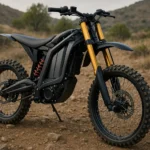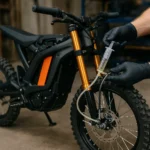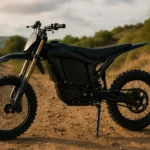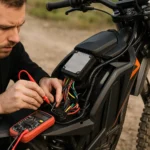
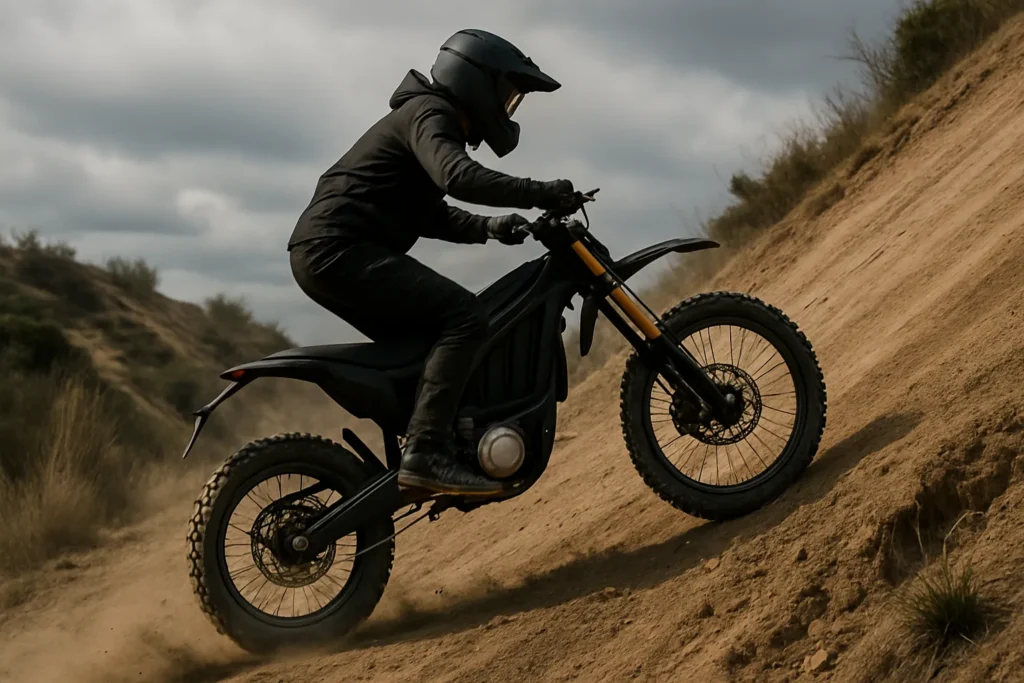
Electric dirt bike climbing gradient capability is what defines how steep a slope or hill your machine can actually handle, expressed in percentage grade or degrees. Riders and parents often want to know if a bike can push through loose dirt, rocky climbs, or steep driveways without stalling. Understanding this isn’t just about numbers—it’s about torque strength, traction control, and battery efficiency working together. When these elements align, you unlock a ride that feels both powerful and safe.
If you’re weighing uphill power against raw speed, our community already explored that trade-off in the fastest electric dirt bikes guide. That resource connects speed, gearing, and real torque delivery, giving you context before diving deeper into gradient performance.
The truth is, electric dirt bike climbing gradient capability can decide whether your weekend trail ride is pure fun or total frustration. A strong motor means nothing if the tires can’t grip or the battery sags halfway up a climb. That’s why it’s essential to look at the complete picture: motor specs, gear ratios, battery health, and rider technique.
Parents shopping for their teen’s first off-road machine want to know: can this bike handle a hilly backyard? Riders eyeing steep singletrack wonder: will my setup pull me up a 20% grade without overheating? These are real concerns, and mastering them starts with grasping the fundamentals of electric dirt bike climbing gradient capability.
Key Takeaways
- Gradient = steepness. % grade is rise/run × 100; degrees is the angle of the slope.
- Torque, traction, tires, weight, gearing, and battery sag decide uphill wins.
- Short, punchy climbs need burst torque; long climbs need thermal + energy management.
- Simple at-home tests reveal your bike’s real limit without special tools.
- Rider technique (body position, throttle control) can make or break a climb.
⚡ Here’s what you’ll discover in this guide: quick links below let you skip right to the section you care about most 👇
What climbing gradient capability really means
When riders talk about electric dirt bike climbing gradient capability, they are asking how steep of a hill a bike can tackle without losing momentum. This is usually measured in two ways: percentage grade or degrees. A 10% grade means the trail rises 10 feet for every 100 feet forward, while degrees describe the actual slope angle. Both matter when comparing uphill performance.
In real-world terms, climbing ability combines motor torque, traction, rider weight, and battery efficiency. A bike with strong low-end torque can power up loose gravel climbs, while proper tire choice and pressure help maintain grip on muddy or rocky surfaces.
Parents and younger riders should think of gradient capability as a balance between power and control. It’s not just about climbing a hill once, but being able to repeat climbs without overheating the motor or draining the battery too quickly. On trails with sustained elevation, energy management and rider technique—like leaning back or modulating throttle—make a big difference in how successful the climb will be.
How motor type impacts hill climbing performance
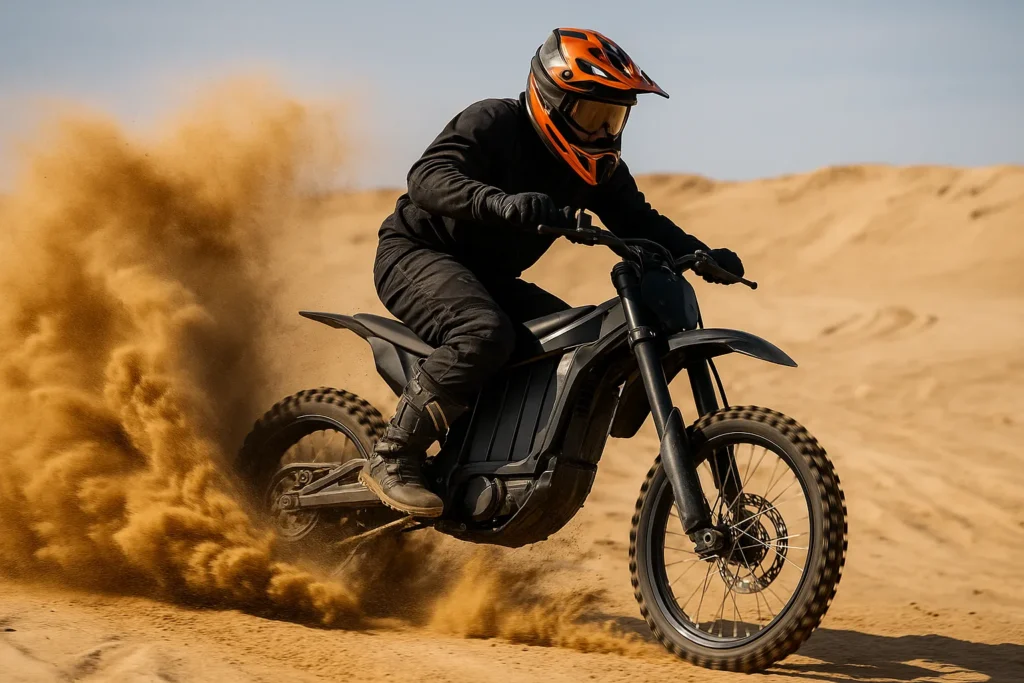
One of the biggest influences on electric dirt bike climbing gradient capability is the motor design. Riders often overlook whether a bike runs a mid-drive or hub motor, yet this choice can completely change how steep a slope the bike can manage.
Mid-drive motors channel power through the drivetrain, multiplying torque through the gears. This gives the rider more control on rocky switchbacks or loose dirt, where traction and smooth throttle response matter most. Hub motors, on the other hand, deliver power straight to the wheel. While simple and durable, they tend to struggle on sharp inclines because they lack gear advantage and can drain the battery faster under load. ⚡
In practical terms, a mid-drive with 80–120 Nm of torque can grind up sustained grades of 20% or more, while a hub motor of 40–60 Nm may stall or overheat under the same conditions. That’s why many riders aiming for serious off-road climbs choose mid-drives—they balance torque, heat management, and overall efficiency.
For a deeper dive into how different motor types affect uphill strength, check out this helpful breakdown on which motor type offers better hill-climbing performance. It explains why gearing and motor placement matter so much when the trail points upward.
Battery power and its role in uphill climbs
A major factor that defines electric dirt bike climbing gradient capability is the battery’s performance under stress. Even the most powerful motor can’t deliver consistent torque if the battery voltage sags during a steep ascent. Riders quickly notice that climbs feel easier with a full charge compared to when the pack is nearly empty. 🔋
Cold weather also impacts battery chemistry, reducing efficiency and limiting the amount of energy available for bursts of power. On long trails with repeated inclines, this means you might lose acceleration or stall halfway up if the pack isn’t properly managed.
Good battery management systems prevent overheating and extend life, but riders can still optimize by pre-warming the pack, avoiding back-to-back steep climbs without rest, and choosing higher-capacity cells that handle high current better. This ensures steadier torque, more reliable throttle response, and fewer surprises when tackling rocky or muddy slopes.
Gearing and wheel setup for steeper gradients
The way your bike is geared can make or break a climb. Lower gearing increases torque at the wheel, allowing smoother starts on loose dirt and better traction control when tackling steep slopes. Riders who swap to smaller rear sprockets or adjust reduction ratios often notice a huge improvement in uphill confidence.
Wheel size also plays a big role. Smaller wheels provide more torque and quicker acceleration, while larger wheels carry momentum but can struggle when the terrain gets really steep. Choosing the right balance depends on whether you’re riding short technical trails or long fire roads.
When considering upgrades, it helps to think about the trade-off between hill power and top speed. If maximum speed is your priority, check out our full breakdown of the fastest electric dirt bikes to see how gearing setups influence performance across different models.
These choices all tie directly into electric dirt bike climbing gradient capability, giving riders practical ways to tune their machines for the climbs that matter most.
Tire choice and traction on steep terrain
Another key part of electric dirt bike climbing gradient capability is how well the tires grip under pressure. A powerful motor is useless if the wheels spin out on loose gravel, mud, or rocky surfaces. Knobby tires with deeper tread patterns bite into dirt more effectively, while softer compounds create better traction on slick or rooty trails.
Tire pressure also changes the equation. Running slightly lower PSI improves contact with the ground and helps the bike hook up on steep climbs. However, too little pressure risks rim damage or pinch flats. Most riders find a sweet spot by adjusting 2–3 PSI based on terrain and weight.
The combination of tread design, compound, and pressure can often be the deciding factor between a clean ascent and a failed attempt. Paying attention to these details allows riders to unlock consistent uphill performance without needing expensive upgrades.
Rider technique and body positioning
The rider’s skill can be just as important as the machine itself when it comes to electric dirt bike climbing gradient capability. Even with plenty of torque and the right tires, poor technique can cause wheel spin, loss of balance, or stalling on steep hills.
Keeping weight balanced over the rear wheel improves traction, while leaning forward prevents the front end from lifting on sharp inclines. Smooth throttle control avoids sudden bursts that break grip, and practicing stop-and-go starts on a slope helps build confidence.
Experienced riders often treat uphill climbs as a rhythm game—steady body movement, controlled breathing, and consistent throttle inputs all working together. This makes tough gradients feel manageable and turns what could be a struggle into a skill-building session.
Heat management and sustained climbs
Long, continuous ascents put stress not only on the rider but also on the bike’s electrical system. One overlooked part of electric dirt bike climbing gradient capability is how well the motor and controller handle rising temperatures during extended efforts.
As heat builds, many systems reduce output automatically to protect components. This can feel like sudden power loss halfway up a hill. Proper cooling design, airflow across the motor, and heat-resistant materials all contribute to sustained climbing performance.
Riders can manage this by pacing throttle input, taking short breaks on very long grades, and avoiding repeated maximum-power bursts. Consistent monitoring of motor heat and battery temperature helps prevent shutdowns and extends the overall lifespan of the bike.
Understanding gradient measurements
To fully appreciate electric dirt bike climbing gradient capability, it helps to know how gradients are measured. The two most common methods are percentage grade and degrees. A percentage grade calculates rise over run multiplied by 100, while degrees measure the slope’s angle directly.
For riders, these numbers translate into how steep the terrain will actually feel. A 10% grade may seem mild on pavement but can become challenging on loose soil. At 20% or more, most bikes require precise throttle control, low gearing, and strong traction.
Knowing these measurements allows riders and parents to set realistic expectations for what a bike can handle. It also helps compare models more accurately, ensuring that choices are based on performance rather than just marketing claims.
Simple tests to measure your bike’s climbing ability
One practical way to understand electric dirt bike climbing gradient capability is by running a few controlled tests. Riders can simulate different terrains without special tools and get a clear picture of their bike’s uphill performance.
A ramp test is the easiest—set up an adjustable incline or find a known slope, then gradually increase the angle until the bike stalls or loses traction. Another method is the sustained climb test, where you ride a long hill at steady throttle to check for heat buildup or power drop.
Restarting on a slope is also a valuable skill test. Stopping midway and then accelerating again reveals how much torque the bike can produce from zero speed under load. These drills give riders confidence and highlight whether adjustments in gearing, tire pressure, or body position are needed for better results.
Real-world terrain and climbing scenarios
Different trails test your bike in unique ways, and that’s where electric dirt bike climbing gradient capability really shows itself. On hardpack fire roads, momentum is your best friend—steady throttle and balanced weight distribution often guarantee success. But when you move onto loose gravel or sandy sections, traction becomes the deciding factor, forcing riders to adjust tire pressure and throttle finesse.
Rooty or rocky climbs challenge suspension setup and rider timing. A quick preload before a ledge, followed by smooth power delivery, prevents stalls and keeps the bike moving forward. Wet clay and slick rock require even more precision, demanding slower speeds and subtle throttle adjustments to avoid spinouts.
If you’re curious about how these terrains compare to straight-line performance, our breakdown of the fastest electric dirt bikes shows how power output and gearing affect both top speed and climbing stability. Understanding this connection helps riders prepare for the unpredictable conditions of real-world trails.
Upgrades and adjustments to improve climbing
Improving electric dirt bike climbing gradient capability doesn’t always require buying a new machine. Small upgrades and adjustments can make a big difference in how a bike handles steep terrain.
Switching to a lower gear ratio increases torque at the wheel, giving riders more control on technical ascents. Upgrading to tires with deeper lugs or softer compounds enhances traction on muddy or rocky climbs. Suspension tuning also matters, since proper preload and rebound keep the bike stable under heavy load.
Even adjusting handlebar height or moving footpeg positions can improve rider balance and confidence during uphill runs. These relatively simple changes allow both beginners and experienced riders to get more out of their bikes without breaking the bank.
Rider skills that maximize uphill performance
No upgrade can replace technique, and that’s why rider skills are a core part of electric dirt bike climbing gradient capability. Even powerful motors and fresh batteries won’t help if throttle control and balance are missing.
Practicing body positioning is key. Shifting weight back increases rear-wheel grip, while leaning forward at the right moment prevents unwanted wheel lift on sharp grades. Smooth throttle inputs reduce spinouts and keep momentum steady, especially on loose or wet surfaces.
Line choice also plays a major role. Picking a cleaner path with fewer obstacles often saves more energy than trying to power straight up the steepest line. Riders who develop these habits not only climb more efficiently but also ride with more confidence on every type of terrain.
Safety and trail etiquette on steep climbs
A crucial but sometimes ignored aspect of electric dirt bike climbing gradient capability is how safely riders approach steep trails. Power alone isn’t enough—awareness and respect for the environment and other trail users matter just as much.
Riders should always scout new hills before attempting them, checking for loose rocks, hidden roots, or sudden drop-offs. Wearing proper protective gear like a full-face helmet, gloves, and pads reduces the risk of injury if balance is lost on a climb.
Trail etiquette is also essential. Avoid spinning tires aggressively on soft ground, as this damages the trail and makes it harder for others. Yielding to hikers and slowing near blind corners keeps the riding community positive and sustainable. By combining skill with safety, every climb becomes both fun and responsible.
Troubleshooting common uphill issues
Even well-prepared riders sometimes face problems that reveal the limits of electric dirt bike climbing gradient capability. One of the most common issues is wheel spin, usually caused by too much throttle or tires that are overinflated for loose terrain. Dropping a few PSI and applying smoother power often fixes this quickly.
Another frequent challenge is sudden power loss on long ascents. This can be linked to battery sag, where voltage drops under heavy load, or to thermal cutbacks when the motor overheats. Riders can manage this by pacing climbs, giving the system time to cool, and keeping the battery fully charged before tackling steep sections.
Stalling on technical climbs is also a learning curve. Restarting from zero on a slope requires careful clutch-like throttle control and steady balance. Practicing this skill in safe conditions builds confidence and reduces frustration when facing real-world gradients.
Buying checklist for climbing-focused riders
When shopping for a new bike, focusing on the right specs will help you get the most out of electric dirt bike climbing gradient capability. Torque ratings are a good starting point, but you’ll also want to pay attention to controller output, battery capacity, and gearing ratios. These elements together determine how effectively the bike can handle steep terrain without stalling or overheating.
Tires, suspension, and weight distribution are equally important. A lightweight frame with strong traction tires and a well-tuned suspension makes climbs smoother and more predictable. Riders who value top speed in addition to climbing ability should also check out our guide on the fastest electric dirt bikes to see how power setups balance hill strength and straight-line performance.
Before finalizing a purchase, ask for a demo ride on a local slope if possible. Testing in real-world conditions gives a clear picture of what the numbers on a spec sheet actually mean and ensures the bike will perform on the trails that matter most.
Real reader questions about climbing steep hills
Here are actual questions folks Google and trail riders ask about electric dirt bike climbing gradient capability, with clear, friendly answers to help you level up your uphill game:
Q: Can my electric dirt bike handle a 30% steep slope?
A: If your bike boasts solid torque, smart gearing, and good traction, short bursts at 30% can be doable. But those sustained, steep climbs need careful throttle control, reduced tire pressure, and maybe a few practice runs.
Q: Does rider weight really impact climbing hills?
A: Absolutely. A heavier rider demands more torque and grip to climb. Matching that with proper tire PSI, body positioning, and smooth power delivery is key to avoid wheelspin or stalls.
Q: Why does my bike lose power mid-climb?
A: Often it’s battery sag—where voltage drops under load—or heat-based power reduction. Easing off the throttle, starting with a full charge, and pacing the climb can keep power consistent.
Q: What tire pressure works best for rocky or loose climbs?
A: Dropping PSI by just 2–3 lb (or about 0.15–0.2 bar) usually improves traction without risking rim damage. Just find that sweet spot where the tire stays in contact without squashing too much.
Q: Do mid-drive motors actually climb better than hub motors?
A: Yes! Mid-drives deliver power through the bike’s gears, offering better torque amplification and traction—especially useful on steep or technical terrain.
These real-world questions highlight what riders really care about and give you practical insights—no fluff, just smart answers for better uphill rides.
Community tips for better climbing
One of the best ways to understand electric dirt bike climbing gradient capability is by learning from riders who face these challenges every weekend. Trail communities often share quick tricks that make uphill rides smoother and safer.
Some riders recommend carrying a small tire gauge to fine-tune PSI before hitting steep sections. Others swear by practicing hill starts in a safe area until throttle control feels second nature. Many agree that keeping momentum steady is more valuable than raw speed—slowing down too much often leads to stalling, while rushing can cause loss of traction.
Listening to shared experiences helps new riders avoid common mistakes and gives parents peace of mind when setting up bikes for younger riders. These community-driven insights add practical value beyond technical specs or manufacturer claims.
Final thoughts on mastering steep climbs
At the end of the day, electric dirt bike climbing gradient capability is shaped by more than just raw motor power. Battery performance, gearing, traction, rider technique, and even small adjustments like tire pressure all play a role in how well a bike handles steep terrain.
Riders who take time to fine-tune their setups and practice specific skills will notice steady improvements in confidence and consistency. Parents helping younger riders can also benefit from these insights, ensuring safe and fun experiences on challenging trails.
If you want to see how climbing strength connects with overall performance, our full guide on the fastest electric dirt bikes explores how torque, speed, and gearing combine to create bikes that excel both on flat ground and uphill. By understanding these links, you can choose or upgrade a bike that matches your riding style and terrain.
Share your experience with the community
Climbing hills is more than just a test of torque and traction—it’s about building skill, confidence, and stories worth sharing. Every rider has faced a slope that felt impossible at first, only to conquer it later with the right adjustments and mindset. That’s the true spirit of off-road riding.
We’d love to hear about your toughest climbs and the tricks that helped you reach the top. Drop a comment with your setup, your steepest hill, or even a tip that could help fellow riders. And if you found this guide useful, share it with friends or family who ride—your insight could be exactly what someone else needs to tackle their next challenge.

Tyler Brooks is the storyteller behind most of the content at Electric Dirt Zone. With over 10 years of experience in digital media and a lifelong love for off-road riding, he blends technical insight from the team with engaging, down-to-earth writing. When he’s not turning dusty trail rides into blog posts, you’ll probably find him snapping pics before things get too wild.