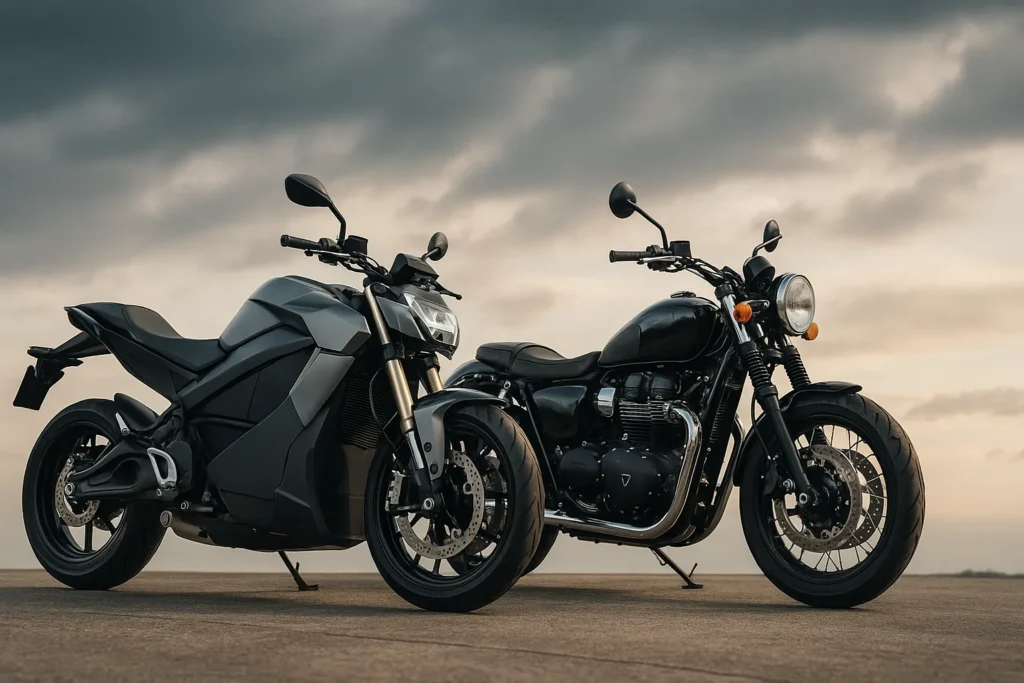
When it comes to electric moto weight vs gas moto, the discussion is more than just numbers on a scale. Weight shapes performance, handling, battery efficiency, and even the rider’s confidence on different terrains. Parents buying for their teens and seasoned off-road riders both want to know how much the machine weighs and how that weight impacts real-world riding.
Unlike traditional gas-powered motorcycles with engines and fuel tanks, electric motos carry heavy lithium-ion batteries that influence stability and agility. This makes the electric moto weight vs gas moto debate a crucial factor in deciding which bike fits your lifestyle best. If speed is also on your radar, don’t miss our guide on what is the fastest electric dirt bike, where we break down performance from another angle.
In the end, choosing between electric and gas isn’t just about horsepower or torque. It’s about how the machine feels under you, how long it lasts on a ride, and how it responds when you push it to the limits. That’s why understanding electric moto weight vs gas moto gives you the edge before making the big decision. ⚡
Key Takeaways
- Electric motos often weigh more because of batteries.
- Gas motos are lighter but need fuel tanks and engines.
- Weight affects speed, control, and comfort.
- Lighter isn’t always better — stability matters too.
- The right choice depends on your riding style and terrain.
⚡ Heads-up: This guide is loaded with useful tips. Use the quick links below to jump straight to the section you need most 👇
Why Weight Matters in Motorcycles
The electric moto weight vs gas moto debate often starts with one key idea: how much a bike weighs changes the entire riding experience. A lighter motorcycle usually feels quicker, more agile, and easier to maneuver, especially for beginners or younger riders. On the other hand, extra pounds can provide stability at high speeds and keep the bike planted on rough terrain.
Weight also plays a huge role in acceleration, braking, and cornering. Riders who take dirt trails know that balance and control are just as important as raw horsepower. Too much weight can wear you out faster, while too little might make the bike feel twitchy and unstable.
Parents buying a first bike for their kids often look closely at handling, safety, and how heavy the frame feels when pushing or lifting it. For off-road enthusiasts, the combination of suspension, torque, and overall build quality means that weight is more than just a number — it’s part of what makes the ride thrilling or frustrating. 🏍️
Electric Moto Weight Explained
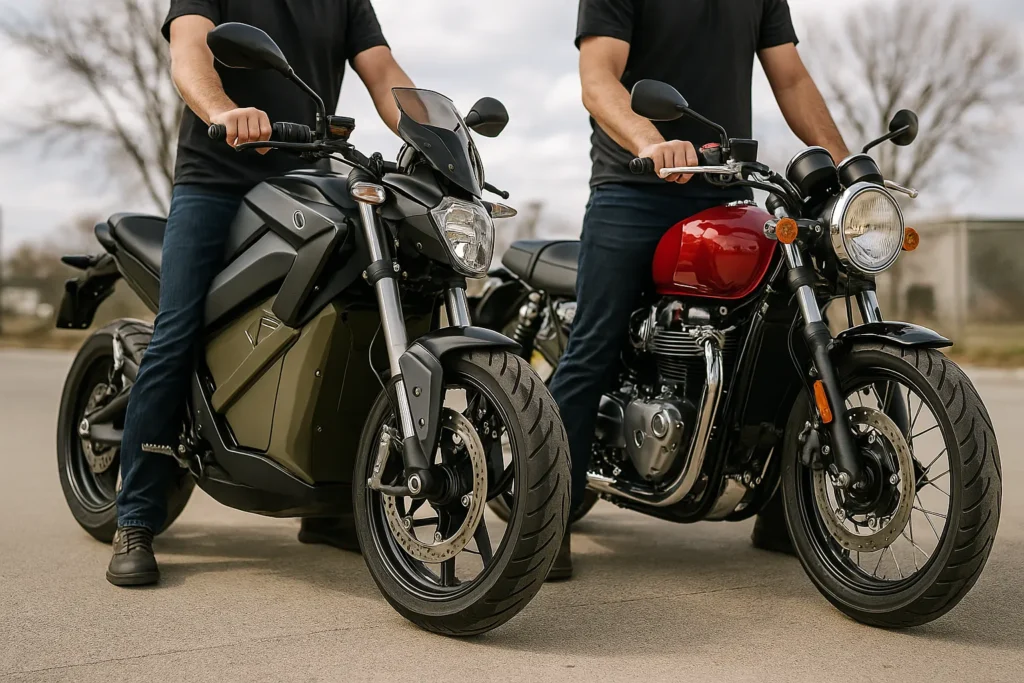
Understanding how electric motorcycles handle their size is key to the electric moto weight vs gas moto debate. The bulk of the added pounds comes from the battery pack. Lithium-ion batteries are heavy, and they dominate the bike’s total mass. This extra load changes how the bike feels when accelerating, cornering, or braking. Still, the low placement of the battery gives a stable center of gravity, which can improve traction and confidence on trails.
Frames and components are also built to manage this weight. Electric motos often use reinforced chassis designs to handle the stress of heavier parts while maintaining rider comfort. Compared to traditional bikes, the electric build balances stability with torque delivery, ensuring power is smooth and predictable.
Handling, rider fatigue, and even suspension tuning all come back to weight. A machine with more mass may take longer to stop, but it can feel solid and reliable on uneven terrain. Lightweight doesn’t always mean better — sometimes a heavier setup provides control in places where a lighter bike feels twitchy. ⚡
For riders who want an expert breakdown of electric and gas bike differences, check out this in-depth guide: Electric dirt bikes vs. gas-powered bikes: Which is right for you?
Gas Moto Weight Explained
When we talk about electric moto weight vs gas moto, one thing becomes clear: gas-powered motorcycles carry their weight differently. Instead of a massive battery, they rely on a compact engine and a fuel tank, which means the total load is usually lighter than an electric model. This lighter frame often translates into quick acceleration and easier handling, especially for riders who value agility.
The engine itself is dense, but the real factor is the fuel tank. As you ride and burn fuel, the bike’s mass decreases, which changes the balance and feel mid-ride. For some riders, this makes the bike feel progressively more agile, but others may find the shifting weight unsettling on long trips or technical trails.
Additional systems, like exhaust pipes and liquid cooling, add their own pounds. While these components don’t match the heft of a lithium-ion battery, they still influence how the bike responds during braking, cornering, and off-road use. In motocross or enduro riding, these subtle changes in load can be the difference between smooth control and constant adjustment. 🏍️
Side-by-Side Breakdown: Electric vs Gas Weight
Comparing electric moto weight vs gas moto side by side helps riders see how much the numbers truly matter on the trail. Electric bikes tend to carry extra pounds because of their battery packs, while gas models rely on engines and fuel tanks. Each design changes the way the bike handles balance, agility, and endurance on longer rides.
The chart below shows the average differences most riders notice:
| Feature | Electric Moto | Gas Moto |
|---|---|---|
| Average Weight | 250–350 lbs | 200–300 lbs |
| Power Source | Lithium battery | Engine + fuel |
| Weight Distribution | Low-center | Higher-center |
| Range Impact | Battery limits | Fuel decreases |
| Handling | Stable, planted | Agile, lighter |
Of course, weight is just one factor. Some riders focus more on speed, torque, or how long the bike lasts on a charge or tank. If performance is on your checklist, you’ll want to read our breakdown of what is the fastest electric dirt bike, which looks at another angle of choosing the right machine.
5 Ways Weight Affects Performance
The debate around electric moto weight vs gas moto gets real when you look at how those pounds impact performance. Weight influences acceleration, top speed, control, and even how long you can ride before fatigue sets in. It’s not just about specs on paper — it’s about how the bike feels in action.
1. Acceleration
Heavier bikes can be slower off the line, but electric torque often compensates for that extra mass. Instant power delivery makes up for the added weight of the battery. ⚡
2. Top Speed
Less weight can mean higher speed potential. Gas-powered machines often benefit here, while electrics may lose a few mph due to battery bulk.
3. Handling & Cornering
Balance is everything. A lower center of gravity in electric bikes helps stability in turns, while lighter gas models may flick more easily through tight corners.
4. Off-Road Performance
On dirt trails and jumps, weight can make or break rider control. A planted bike absorbs bumps better, but a lighter frame is easier to maneuver in technical terrain.
5. Rider Fatigue
The heavier the bike, the more energy it takes to control it over time. Long rides on rough terrain will show how weight influences stamina and endurance. 🏍️
Rider Experience: Which Feels Better?
When you think about electric moto weight vs gas moto, it comes down to how the bike feels under different riders. A heavier electric motorcycle with a low center of gravity often feels planted and steady, giving beginners more confidence on uneven ground. Parents choosing a first bike for their kids may prefer this stability because it reduces the chances of the bike feeling twitchy.
Gas-powered bikes, being lighter overall, usually feel quicker to react. For experienced riders, this agility can make the ride more thrilling, especially on sharp turns or technical tracks. However, the lighter feel can also make them less predictable for someone still learning.
Comfort and fatigue also play into the rider’s experience. A heavier frame may feel stable but can drain energy during longer rides. Meanwhile, a lighter machine allows for quicker adjustments but might feel less secure on high-speed trails. In the end, it’s about matching the weight profile of the bike with the rider’s skill level and preferred terrain. ⚡
The Future of Motorcycle Weight
Looking ahead, the conversation around electric moto weight vs gas moto is evolving quickly. Battery technology is advancing at a rapid pace, with new cells being designed to hold more energy while shedding unnecessary bulk. This means future electric motorcycles could close the gap or even become lighter than some gas-powered options.
Manufacturers are also experimenting with lightweight materials like carbon fiber, aluminum alloys, and composite frames. These not only reduce overall mass but also improve durability and handling for off-road riders. Innovations in motor efficiency and compact cooling systems are cutting extra weight without sacrificing performance.
For gas bikes, weight changes will likely be slower, since engines and fuel tanks already operate near their practical limits. However, the ongoing shift toward electrification means that in just a few years, the balance of weight, range, and handling may look entirely different. Riders can expect a future where lightweight electric dirt bikes compete head-to-head with traditional gas machines on every front. 🏍️⚡
FAQs on Electric Moto Weight vs Gas Moto
The electric moto weight vs gas moto debate raises a lot of questions for riders and parents considering which type of bike to choose. Here are some of the most common ones:
Are electric motorcycles heavier than gas bikes?
Yes, in most cases. The battery pack adds significant weight compared to an engine and fuel tank.
Does weight affect battery range?
Absolutely. The heavier the bike, the more energy it consumes. Battery efficiency drops when the load increases.
Which is safer for beginners: lighter or heavier bikes?
It depends. A heavier bike with a low center of gravity can feel more stable, while a lighter one is easier to control at low speeds.
Can electric dirt bikes ever be lighter than gas?
With new battery technology and lightweight materials, some models are already close to gas bikes in weight, and the gap is narrowing.
Do professional riders prefer heavier or lighter bikes?
Most pros lean toward lighter bikes for agility, but many also appreciate the stability that comes with added mass in technical off-road conditions. 🏁
Final Thoughts: Choosing the Right Bike for You
At the end of the day, the electric moto weight vs gas moto discussion is about more than specs on a chart. It’s about how each bike fits your riding style, comfort level, and long-term goals. A heavier electric model might give you stability, smooth torque, and eco-friendly performance, while a lighter gas bike often offers agility, quick refueling, and familiar mechanics.
Riders should think about where they’ll ride most often — tight trails, open tracks, or city streets. They should also consider who will be riding: a young beginner who needs confidence, or an experienced rider looking for adrenaline. Both electric and gas motorcycles bring unique advantages, and the right choice depends on matching the machine to the rider’s needs.
Whether you value range, handling, or raw speed, the right decision will always be the one that makes you feel confident, safe, and excited to ride every time you hit the throttle. ⚡🏍️
Share Your Riding Experience With Us
The electric moto weight vs gas moto debate is only part of the bigger story — what really matters is how these bikes feel when you’re out there riding. Every rider has a unique perspective, whether it’s the thrill of fast acceleration, the control of a balanced frame, or the endurance needed for long off-road sessions.
We’d love to hear from you! Drop a comment below about your experience and let other riders in the community know what worked best for you. Do you prefer the planted stability of an electric bike, or the nimble agility of a gas model?
And if you’re still exploring performance and speed as deciding factors, don’t miss our in-depth guide on what is the fastest electric dirt bike. It’s a must-read for anyone comparing machines before making their final choice.
Sharing your story not only helps other riders but also builds the kind of community where everyone can grow, learn, and ride smarter together. ⚡

Tyler Brooks is the storyteller behind most of the content at Electric Dirt Zone. With over 10 years of experience in digital media and a lifelong love for off-road riding, he blends technical insight from the team with engaging, down-to-earth writing. When he’s not turning dusty trail rides into blog posts, you’ll probably find him snapping pics before things get too wild.